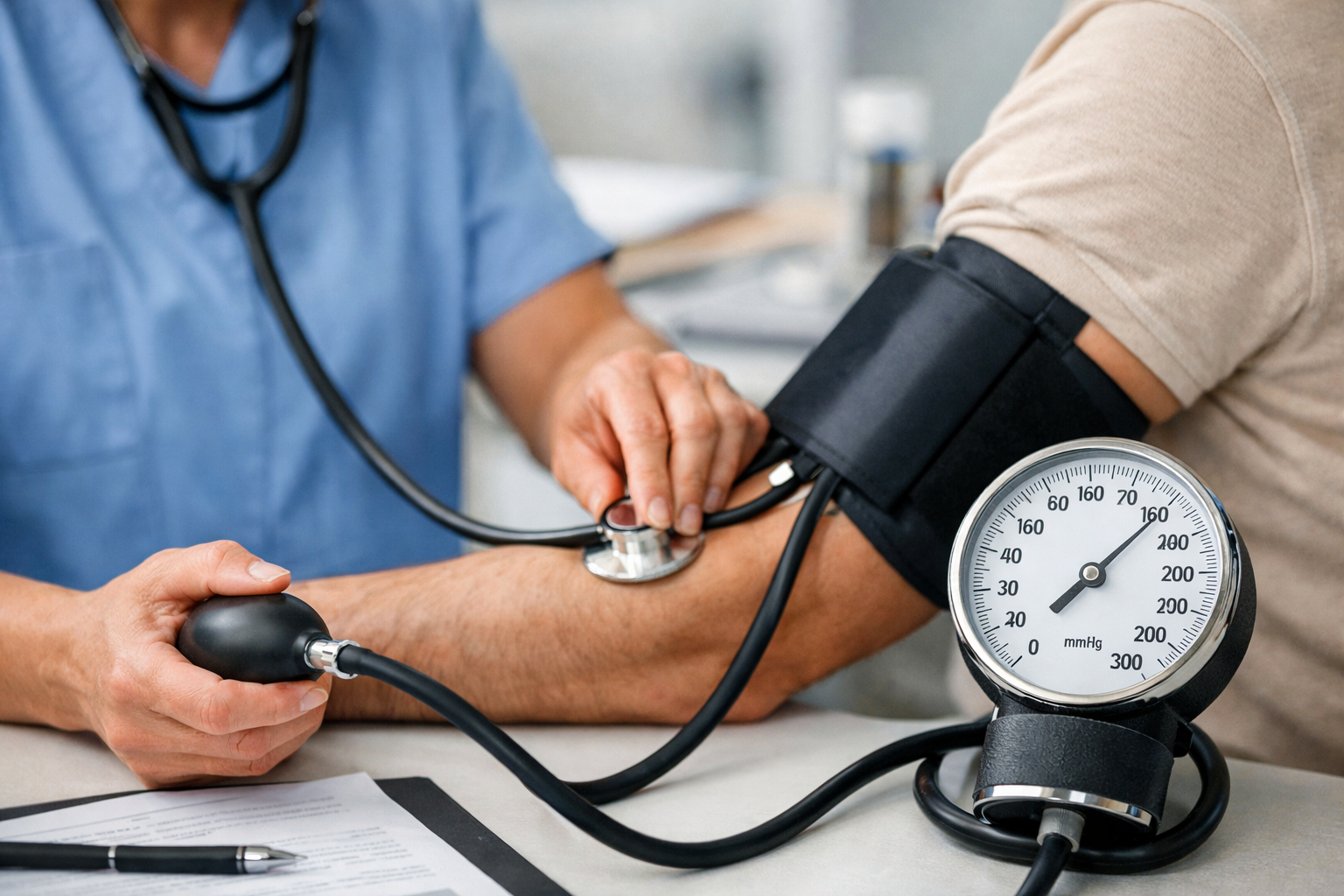
High blood pressure signs are easy to miss because high blood pressure usually has no obvious symptoms. That is why it is often called a silent killer. Many people feel completely fine even when their blood pressure is high enough to damage the heart, brain, kidneys, and blood vessels over time.
Still, there are situations where the body may produce high blood pressure signs, especially when blood pressure becomes very high or starts causing complications. Knowing these signs can help you take action quickly.
Here are 6 high blood pressure signs you should never ignore.
1. Severe or Unusual Headaches Can Be High Blood Pressure Signs
Most headaches are not caused by high blood pressure. But when blood pressure becomes dangerously high, some people may develop severe headaches, especially if the reading is extremely elevated.
If you keep having headaches that feel different from your usual pattern, are unusually intense, or happen together with blurred vision, chest pain, confusion, or shortness of breath, get checked promptly.
2. Dizziness or Loss of Balance Can Be High Blood Pressure Signs
Dizziness has many possible causes, including dehydration, low blood sugar, inner ear problems, anxiety, and medication side effects. But dizziness that appears together with other warning signs can be more concerning.
If dizziness comes with chest discomfort, weakness, vision changes, severe headache, or trouble speaking, do not ignore it.
You may also want to read our related guide on what causes sudden dizziness and how to stop it.
3. Blurred Vision or Vision Changes Can Be High Blood Pressure Signs
The blood vessels in the eyes are sensitive to changes in pressure. Very high blood pressure can affect the eyes and may lead to blurred vision, spots, or other visual changes.
If your vision is becoming blurry without an obvious reason, or if vision changes appear suddenly, it should be evaluated by a healthcare professional.
4. Shortness of Breath Can Be One of the More Serious High Blood Pressure Signs
Shortness of breath can happen for many reasons, including heart and lung problems. In the setting of very high blood pressure, it can be a serious warning sign, especially if the heart is under strain.
If you are becoming breathless during normal activities or notice shortness of breath together with chest discomfort, swelling, dizziness, or unusual fatigue, get checked.
5. Chest Pain or Chest Pressure Is One High Blood Pressure Sign You Should Never Ignore
Chest pain is never something to take lightly. It may feel like pressure, tightness, squeezing, burning, or heaviness rather than a sharp pain.
If chest pain happens together with high blood pressure, shortness of breath, dizziness, sweating, or pain spreading to the arm, jaw, neck, or back, seek urgent medical attention immediately.
6. Repeated Nosebleeds With Other Symptoms Can Be High Blood Pressure Signs
Nosebleeds are common and are often caused by dry air, irritation, allergies, or minor injury. On their own, they are not usually considered a classic symptom of high blood pressure.
However, if you are having repeated nosebleeds together with severe headaches, blurred vision, chest discomfort, or very high blood pressure readings, it is worth getting checked.
The Bigger Picture About High Blood Pressure Signs
The most important thing to understand is this: high blood pressure often causes no symptoms at all. That means waiting for symptoms before checking your blood pressure is a risky strategy.
The only reliable way to know if your blood pressure is high is to measure it. If you are over 30, have a family history of hypertension, smoke, eat a high-salt diet, have diabetes, or are overweight, regular blood pressure checks should be part of your routine.
What Blood Pressure Numbers Are Concerning?
A normal blood pressure reading is generally around 120/80 mm Hg. Readings that stay above normal over time should be discussed with a healthcare professional.
If you ever record a reading higher than 180/120 mm Hg and also have symptoms such as chest pain, shortness of breath, vision changes, weakness, numbness, or difficulty speaking, seek emergency medical help immediately.
What You Can Do Right Now
If you do not know your current blood pressure, checking it is the most useful step you can take after reading this article. Many pharmacies, clinics, and home monitors make this easy.
Lifestyle changes can help many people lower mildly elevated blood pressure. These include reducing salt intake, exercising regularly, maintaining a healthy weight, quitting smoking, limiting alcohol, sleeping well, and managing stress.
Some people also need medication, and there is nothing wrong with that. Controlled blood pressure is always safer than uncontrolled blood pressure.
Frequently Asked Questions
Does high blood pressure always cause signs?
No. High blood pressure usually causes no symptoms, which is why regular checks are so important.
What are common high blood pressure signs?
Possible high blood pressure signs can include severe headaches, blurred vision, chest pain, dizziness, and shortness of breath, especially when blood pressure becomes dangerously high.
When is high blood pressure an emergency?
It becomes an emergency when the blood pressure reading is extremely high and happens together with symptoms like chest pain, shortness of breath, confusion, weakness, numbness, vision changes, or trouble speaking.
Bottom Line
High blood pressure signs are important, but the biggest danger is that high blood pressure often stays silent for a long time. Severe headaches, blurred vision, dizziness, chest pain, shortness of breath, and repeated nosebleeds with other symptoms should not be ignored.
The safest move is not to wait for high blood pressure signs. Check your blood pressure regularly and take high readings seriously.
Related Articles
Medical Disclaimer: This article is for educational and informational purposes only and is not a substitute for professional medical advice, diagnosis, or treatment. Symptoms can have many possible causes. Always consult a qualified healthcare professional if you have concerns about your health, especially if symptoms are severe, persistent, or worsening.
When to Seek Medical Help: Seek urgent medical attention if you have a very high blood pressure reading together with chest pain, shortness of breath, blurred vision, severe headache, confusion, weakness, numbness, or difficulty speaking.
Reviewed for clarity: March 31, 2026
Last updated: March 31, 2026
Sources:
2 thoughts on “6 Early Warning Signs of High Blood Pressure You Should Never Ignore”