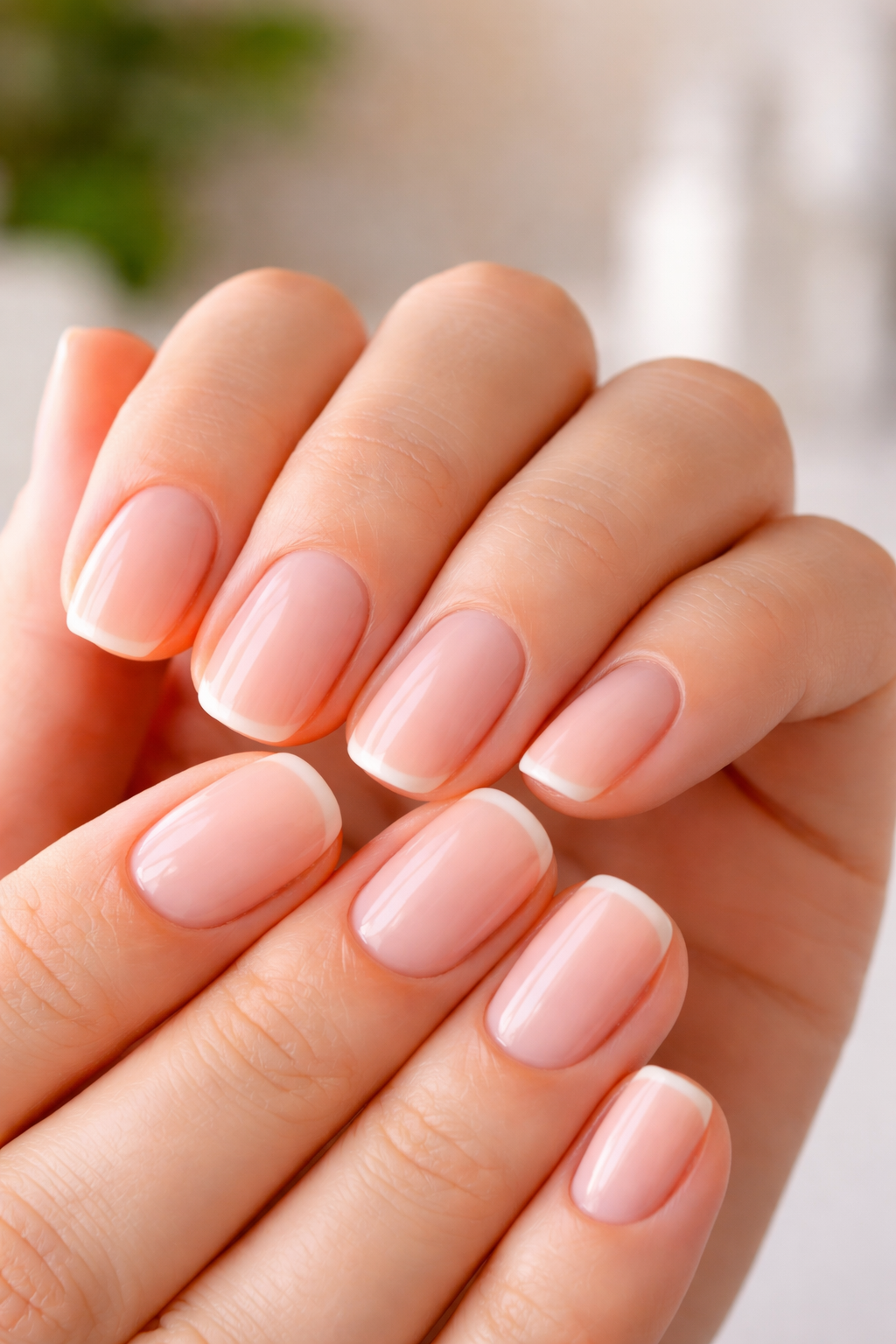
Fingernail changes can sometimes reveal more than you think. Most people only notice their nails when one breaks or needs trimming, but doctors have long used changes in nail color, shape, texture, and growth as clues to possible health problems.
Not every nail change means something serious. A single spot, minor injury, or temporary color change may be harmless. But changes that affect several nails, keep getting worse, or appear together with other symptoms are worth paying attention to.
Here are 9 fingernail changes you should never ignore and what they may mean.
1. Pale or White Fingernails
Healthy nails usually have a light pink tone because of the blood vessels underneath them. If your nails look unusually pale, washed out, or white, it may suggest that something is affecting blood flow or red blood cells.
Pale nails can be linked to anemia, poor circulation, malnutrition, liver disease, or other health issues. If this change is new or happens together with fatigue, weakness, shortness of breath, or dizziness, it is worth discussing with a doctor.
2. Yellow Fingernails
Yellow nails are often caused by fungal infection, especially when the nail also becomes thick, brittle, crumbly, or starts lifting away from the nail bed. Nail polish staining can also make nails look yellow temporarily.
Sometimes yellow nails are linked to other conditions such as thyroid disease, diabetes, psoriasis, or chronic lung problems. If the yellowing is persistent, affects several nails, or does not improve after the obvious cause is removed, it deserves a closer look.
3. Dark Lines or Streaks Running Down the Nail
A small dark line under the nail can happen after trauma and may be harmless. But a new or changing dark streak that runs from the base of the nail to the tip should never be ignored.
If the band is getting wider, darker, uneven in color, or the skin around the nail is also becoming darker, see a dermatologist promptly. In some cases, a dark streak under the nail can be a sign of melanoma.
4. Spoon-Shaped Fingernails
Spoon-shaped nails curve upward at the edges and dip in the center. This change is called koilonychia. It is one of the better-known nail signs linked to iron deficiency.
If you notice this shape together with fatigue, weakness, pale skin, or shortness of breath, iron deficiency anemia becomes more likely. Spoon nails can also be linked to other conditions, so getting checked is a smart next step.
You may also want to read our related guide on 7 warning signs your body is lacking iron.
5. Pitting or Small Dents in the Nails
Small dents or pits on the nail surface are strongly associated with psoriasis. In some people, nail changes can appear before obvious skin symptoms develop.
Nail pitting may also occur with alopecia areata and some inflammatory conditions. If your nails are becoming rough, uneven, or dotted with multiple pits, a dermatologist can help identify the cause.
6. Nails That Lift Away From the Nail Bed
When the nail starts separating from the pink nail bed underneath, this is called onycholysis. The lifted area often looks white, yellow, or pale.
This can happen because of trauma, fungal infection, psoriasis, allergic reactions to nail products, or sometimes thyroid problems. If more than one nail is lifting or it keeps happening without an obvious cause, it should be checked.
7. Clubbed Fingernails
Clubbing happens when the fingertips enlarge and the nails curve downward over them. This usually develops slowly over time, so many people do not notice it right away.
Clubbing can be associated with lung disease, heart disease, liver disease, and other conditions linked to low oxygen levels or chronic illness. If your fingertips seem wider and your nails are becoming more curved than before, see a doctor and describe the change clearly.
8. White Spots on the Nails
Small white spots on the nails are extremely common and are usually caused by minor trauma to the nail matrix, often from a bump you barely noticed. These spots usually move upward as the nail grows.
They are not usually a sign of calcium deficiency. However, if large areas of the nail turn white, or several nails change in a more obvious way, it is worth getting checked.
9. Horizontal Ridges Across the Nails
Horizontal grooves or ridges across the nail are called Beau’s lines. They can appear when nail growth is temporarily interrupted by significant physical stress.
High fever, major illness, surgery, chemotherapy, injury, or poor nutrition can all lead to Beau’s lines. If you notice a clear horizontal groove across several nails and cannot explain it, think back over the past few months and mention it to a doctor.
When Fingernail Changes Need Medical Attention
Most small nail changes are not emergencies. But you should speak with a healthcare professional if you notice a new dark streak, clubbing, nail lifting on several fingers, spoon-shaped nails, worsening pitting, or major color changes without a clear reason.
You should also get checked if fingernail changes happen along with fatigue, shortness of breath, weight loss, swelling, chronic cough, itching, or other unexplained symptoms.
Frequently Asked Questions
Are white spots on fingernails a sign of calcium deficiency?
Usually no. Small white spots are most often caused by minor injury to the nail matrix, not by low calcium.
Can fingernail changes point to iron deficiency?
Yes. Spoon-shaped nails are one of the better-known nail changes linked to iron deficiency anemia.
When is a dark streak under the nail serious?
A new or changing dark streak should be examined promptly, especially if it is widening, irregular, or causing darkening of the skin around the nail.
Bottom Line
Fingernail changes can sometimes offer useful clues about what is happening inside the body. Pale nails, yellow nails, dark streaks, spoon nails, pitting, nail lifting, clubbing, white discoloration, and Beau’s lines can all point to something worth checking.
Your nails cannot diagnose a condition on their own, but they can help you notice changes early. If something looks unusual and does not go away, getting it checked is the safest move.
Related Articles
Medical Disclaimer: This article is for educational and informational purposes only and is not a substitute for professional medical advice, diagnosis, or treatment. Symptoms can have many possible causes. Always consult a qualified healthcare professional if you have concerns about your health, especially if symptoms are severe, persistent, or worsening.
When to Seek Medical Help: Seek prompt medical attention if you notice a new or changing dark streak under a nail, clubbing of the fingertips, sudden nail separation on several fingers, or fingernail changes together with fatigue, shortness of breath, weight loss, chronic cough, or other unexplained symptoms.
Reviewed for clarity: March 31, 2026
Last updated: March 31, 2026
Sources:
2 thoughts on “9 Things Your Fingernails Are Trying To Tell You About Your Health”