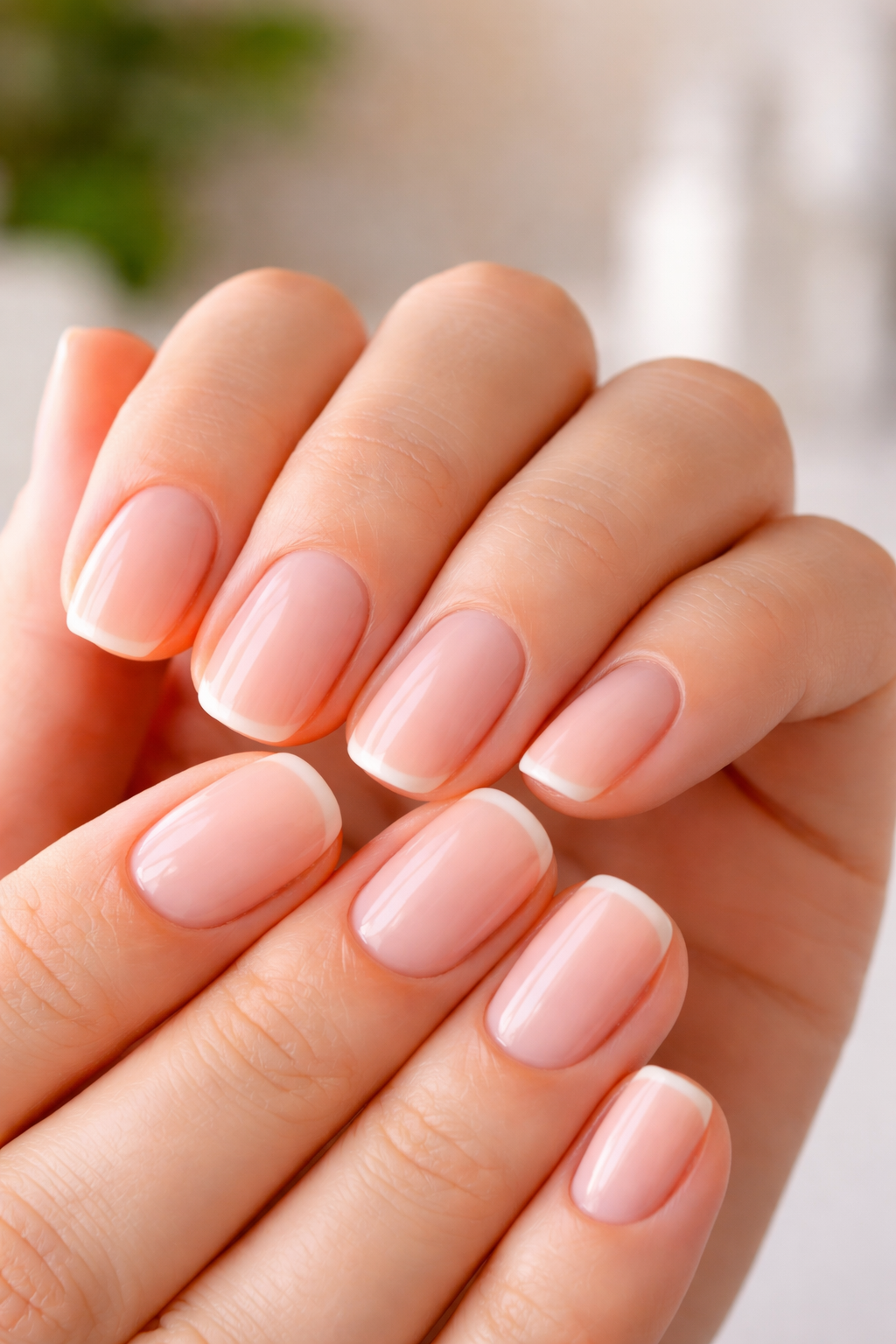
Most people only think about their fingernails when they need cutting or when one breaks at an inconvenient moment. But your nails are actually one of the most accessible windows into what is happening inside your body. Doctors have used nail appearance as a diagnostic clue for centuries and for good reason. Changes in nail color, texture, shape, and growth rate can all point to nutritional deficiencies, organ problems, circulatory issues, and more.
You do not need to be a doctor to notice these changes. You just need to know what to look for. Here are nine things your fingernails might be trying to tell you right now.
Pale or White Nails
Healthy nails have a pinkish tint that comes from the blood vessels visible beneath the nail plate. When your nails look unusually pale, whitish, or washed out, it can be a sign that something is affecting your circulation or your blood. Anaemia, which is a shortage of healthy red blood cells, is one of the most common causes of pale nails. Liver disease, congestive heart failure, and malnutrition have also been associated with this appearance.
Press gently on your nail until it turns white, then release the pressure and watch how quickly the pink color returns. It should return almost immediately. If it takes more than two seconds, your circulation may not be as strong as it should be and that is worth mentioning to a doctor.
Yellow Nails
Yellow nails are one of the more noticeable changes and they have several possible causes. Fungal infections are the most common reason nails turn yellow, especially on the toes, but it can happen on the fingers too. The nail may also thicken, crumble, or separate from the nail bed alongside the color change.
In some cases yellow nails point to something beyond a simple fungal infection. Chronic respiratory conditions, thyroid problems, diabetes, and psoriasis have all been linked to yellow nail changes. If the yellowing is not explained by nail polish or a minor fungal issue that clears with treatment, it is worth investigating further.
Dark Lines or Streaks Running Down the Nail
A thin dark line running vertically along the nail is called a splinter hemorrhage and it looks exactly like a tiny splinter trapped beneath the nail surface. Small numbers of these can appear after minor trauma to the nail and are harmless. However when they appear on multiple nails without any injury, they can sometimes be associated with conditions affecting the heart or blood vessels.
There is also a darker and more urgent concern with vertical dark streaks. A broad dark band running from the base of the nail to the tip, particularly one that is getting wider over time or is accompanied by darkening of the skin around the nail, should be evaluated by a doctor without delay. In some cases this type of streak can be an early sign of melanoma developing beneath the nail.
Spoon Shaped Nails
If your nails curve upward at the edges and dip in the center like a small spoon, this is a condition called koilonychia. It is one of the more distinctive nail changes and it is strongly associated with iron deficiency anaemia. The nails essentially become soft enough to deform under normal pressure and develop that characteristic scooped appearance.
Koilonychia can also be associated with heart disease and hypothyroidism in some cases. If your nails have developed this shape, getting your iron levels and thyroid function checked is a logical next step.
Pitting and Dents on the Nail Surface
Small pits or dents scattered across the surface of the nail are strongly associated with psoriasis, even in people who do not have obvious skin symptoms of the condition. Psoriasis can affect the nails before it appears anywhere else on the body and nail pitting is one of its earliest signs.
Pitting has also been associated with alopecia areata, an autoimmune condition that causes patchy hair loss, and with some connective tissue disorders. If your nails have developed a pitted or irregular surface texture that was not there before, a dermatologist is a good starting point for getting answers.
Nails That Separate From the Nail Bed
When the nail plate lifts away from the pink nail bed beneath it, starting at the tip and working backward, this is called onycholysis. The separated area often looks white or yellowish. Fungal infection is the most common cause but thyroid disease, particularly an overactive thyroid, is also strongly associated with this type of nail change.
Psoriasis, an allergic reaction to nail products, and certain medications including some antibiotics and chemotherapy drugs can also cause nails to separate from the bed. If this is happening to multiple nails and you cannot attribute it to trauma or a product reaction, it deserves medical investigation.
Clubbed Nails
Nail clubbing is when the fingertips enlarge and the nails curve downward around the enlarged tip, almost like the back of a spoon turned the other way. It develops slowly over time and many people do not notice it happening to themselves until someone else points it out.
Clubbing is associated with a range of serious conditions affecting the lungs and heart. Chronic low oxygen levels in the blood cause the fingertips to enlarge over time as the body tries to compensate. Lung disease, certain heart conditions, and liver disease are among the conditions that can produce clubbing. If you notice your fingertips gradually widening and your nails curving more steeply downward, please see a doctor and describe exactly what you have observed.
White Spots on the Nails
White spots on nails are extremely common and almost universally misunderstood. The widespread belief that they indicate a calcium deficiency is actually a myth. The most common cause of white spots on nails is minor trauma to the nail matrix, the area at the base of the nail where new nail grows from. A small knock or pressure you barely noticed can show up as a white spot weeks later as the nail grows out.
True white discoloration that affects the entire nail or large portions of it is a different matter and can be associated with zinc deficiency, liver conditions, or kidney problems. But isolated small white spots that move up the nail as it grows are almost always just the result of minor injury and nothing to worry about.
Ridges Running Across the Nail
Horizontal ridges that run across the width of the nail rather than along its length are called Beau’s lines. They form when nail growth is temporarily interrupted or severely slowed. The body essentially pauses nail production during periods of significant physical stress and the ridge marks where that pause occurred.
Serious illness, high fever, major surgery, chemotherapy, and severe nutritional deficiency can all cause Beau’s lines to form. Because nails grow at a predictable rate, a doctor can sometimes estimate roughly when the stressful event occurred based on where the ridge sits on the nail. If you notice a clear horizontal groove across several nails that you cannot explain, think back a few months and consider whether you went through a significant period of illness or physical stress around that time.
How To Use This Information
Looking at your nails takes thirty seconds. Make it a habit once a month to actually look at them properly in good light. Check the color, the texture, the shape of the tips, and whether the nail is sitting flush against the nail bed. Compare them to how they looked previously.
A single change on one nail after a minor injury means very little. But changes affecting multiple nails, changes that are getting progressively worse, or changes that appear alongside other symptoms on your body are all things worth raising with a doctor. Your nails cannot diagnose you but they can give you and your doctor valuable clues that might lead to catching something important earlier than it would otherwise have been found.
This article is for informational purposes only. Please consult a qualified healthcare professional for any concerns about changes in your nails or general health.