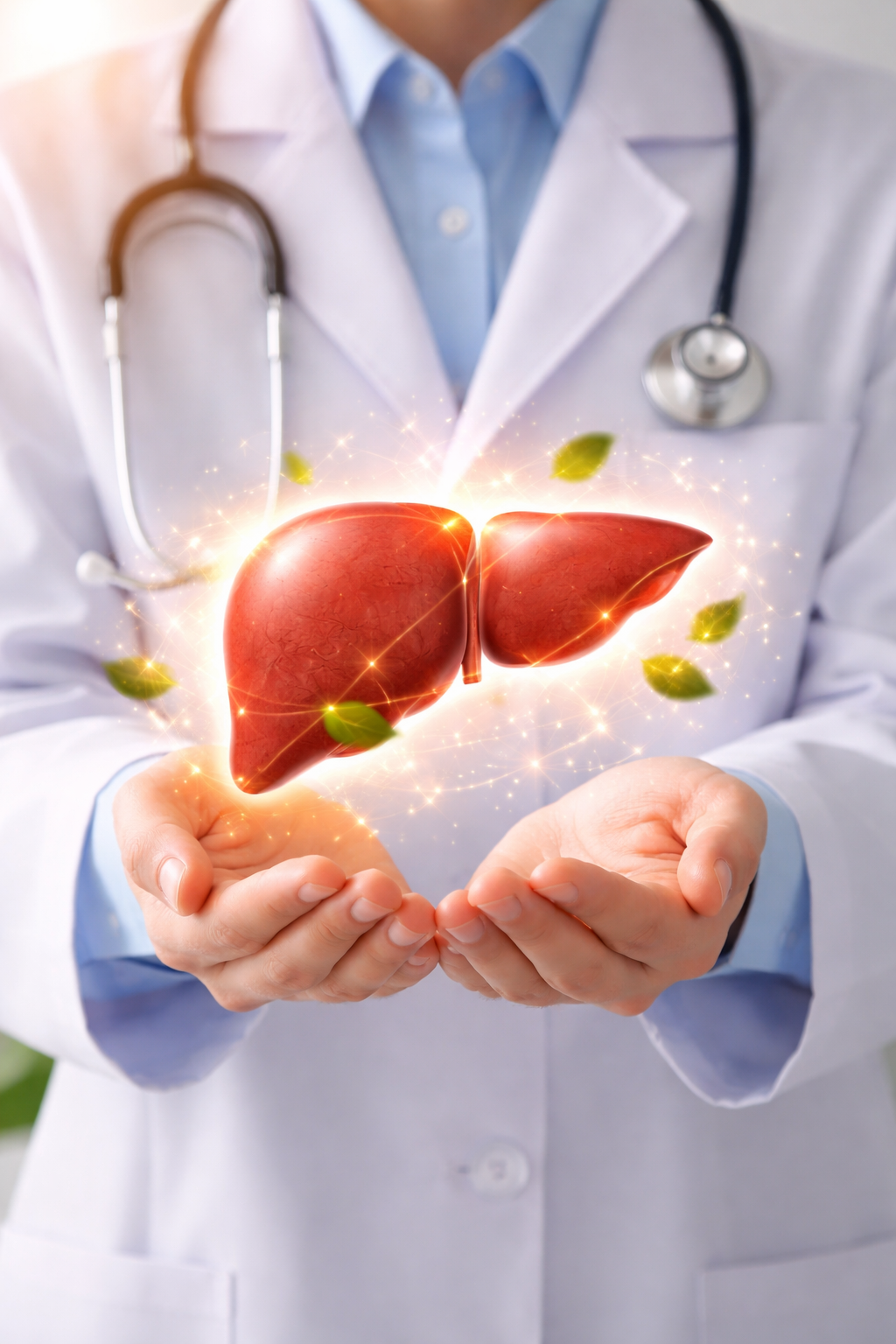
Your liver is one of the hardest working organs in your entire body. It filters your blood, processes nutrients from everything you eat and drink, produces bile to help digest fats, stores energy, and neutralizes hundreds of toxins and medications that pass through your system every single day. It does all of this silently, without any sensation you can feel, which is exactly what makes liver problems so dangerous.
By the time most people realize something is wrong with their liver, significant damage has often already occurred. The liver is remarkably resilient and has a strong capacity to repair itself in the early stages of damage, but that window of opportunity is only open for so long. Learning to recognize the early warning signs your liver sends out could make an enormous difference in how the story ends.
Your Skin or Eyes Are Taking on a Yellow Tint
Jaundice is one of the most well known signs of liver trouble and it happens for a specific reason. When the liver is not functioning properly, it cannot process bilirubin efficiently. Bilirubin is a yellow pigment that forms when old red blood cells break down. As it builds up in the blood, it starts to deposit in the skin and in the whites of the eyes, giving both a distinctly yellow appearance.
Even mild yellowing of the eyes is something that should be evaluated by a doctor promptly. It does not necessarily mean the worst but it always means something is happening with your liver, bile ducts, or red blood cells that needs to be properly investigated. Do not wait to see if it goes away on its own.
Your Abdomen Feels Swollen or Uncomfortable on the Right Side
The liver sits in the upper right portion of your abdomen, just beneath your rib cage. When it becomes inflamed or enlarged due to disease, infection, or fat accumulation, some people notice a dull aching discomfort or a feeling of fullness and pressure in that area. It does not always present as sharp pain and many people describe it as more of a heaviness or tenderness than anything acutely painful.
Ascites is a more advanced sign of liver disease where fluid accumulates in the abdominal cavity, causing noticeable bloating and distension of the entire abdomen. If your stomach is visibly swelling without an obvious dietary reason, this needs immediate medical attention.
Your Urine Is Dark and Your Stools Are Pale
The color of your urine and stools can tell you a great deal about how your liver and bile ducts are functioning. Dark brown or tea colored urine often indicates that bilirubin is being excreted through the kidneys rather than through the bile as it normally should be, which points to a liver or bile duct problem. At the same time, stools may become unusually pale, grey, or clay colored because the bile that normally gives them their brown color is not reaching the intestine as it should.
This combination of dark urine and pale stools together is a particularly significant signal that deserves prompt medical evaluation. Either symptom alone has other possible explanations but the two together strongly suggest something is affecting the flow of bile from the liver.
You Are Exhausted in a Way That Sleep Does Not Fix
The liver plays a central role in energy metabolism. It stores glycogen and releases glucose into the bloodstream when your body needs fuel. When liver function is compromised, this process becomes less efficient and the result is a persistent, profound fatigue that feels different from ordinary tiredness. People with liver disease frequently describe an exhaustion that does not improve with rest and that makes even simple daily activities feel like an enormous effort.
This kind of fatigue is easy to attribute to other things like stress, poor sleep, or getting older. That is exactly why it so often gets dismissed for a long time before the underlying cause is identified. If you are experiencing deep unexplained fatigue alongside any other symptom on this list, the combination matters more than any single symptom on its own.
Your Skin Itches Persistently Without a Rash
Persistent itching all over the body without any visible rash or skin condition is a symptom that many people would never associate with the liver. But it is actually a recognized sign of liver and bile duct problems. When bile salts accumulate in the bloodstream due to impaired liver function, they deposit in the skin and cause intense itching that can be extremely uncomfortable and difficult to relieve with ordinary antihistamines or creams.
This type of itching tends to be generalized rather than localized, meaning it affects large areas of the body rather than one specific patch. It often gets worse at night and does not respond to moisturizers or topical treatments. If you have been dealing with unexplained persistent itching and cannot identify a dermatological cause, liver function should be checked.
You Bruise and Bleed More Easily Than You Used To
The liver produces the majority of the proteins that your blood needs to clot properly. When liver function declines, the production of these clotting factors decreases and your blood loses some of its ability to stop bleeding efficiently. The result is that you bruise more easily from minor bumps that would not have left a mark before, cuts take longer to stop bleeding, and bruises may appear on your skin without you remembering any specific injury that caused them.
Easy bruising has other causes including certain medications, vitamin deficiencies, and blood disorders, so this symptom alone is not specific to the liver. But if it is appearing alongside any of the other signs in this article, it adds weight to the picture that something affecting your liver may be going on.
You Are Experiencing Nausea, Loss of Appetite, and Unexplained Weight Loss
The liver is deeply involved in digestion and the processing of nutrients. When it is not working well, digestive symptoms often follow. Persistent nausea, a loss of interest in food, and a feeling of fullness very quickly after eating small amounts are all symptoms that can accompany liver disease. Over time, if appetite remains suppressed, significant and unintentional weight loss can occur.
These symptoms are easy to attribute to a stomach bug, stress, or a gastrointestinal issue and that will be the correct explanation in most cases. But when they are persistent, unexplained by anything obvious, and combined with other symptoms from this list, the liver deserves to be part of the investigation.
What Puts Your Liver at Risk
Understanding what damages the liver is just as important as recognizing warning signs. Excessive alcohol consumption is the most widely known cause of liver disease but it is far from the only one. Non-alcoholic fatty liver disease, driven by obesity, poor diet, type 2 diabetes, and high cholesterol, has become the most common liver condition in many countries and it affects people who drink little or no alcohol at all.
Viral hepatitis, particularly hepatitis B and C, can cause chronic liver inflammation and damage over decades. Certain medications including some common over the counter pain relievers taken in excess can stress the liver significantly. Autoimmune conditions and genetic disorders also affect a smaller subset of people.
What You Should Do
If you are recognizing two or more of the symptoms described above, make an appointment with your doctor and ask specifically for liver function tests. These are simple blood tests that measure enzyme levels and other markers that indicate how well your liver is working. They are inexpensive, widely available, and can detect problems long before they become serious.
If your results come back abnormal, do not panic. Elevated liver enzymes are common and have many causes, some of which are minor and temporary. But catching the issue early gives you and your doctor the best possible opportunity to address it before permanent damage occurs.
Your liver works for you every single moment of every day without asking for anything in return. The least you can do is pay attention when it finally starts asking for help.
This article is for informational purposes only. Please consult a qualified healthcare professional for any concerns about your liver health or any of the symptoms described above.